

A wedding seating chart doesn’t just tell guests where to sit. It quietly sets the rhythm for the entire evening. It shapes who connects over shared stories, how conversation unfolds during dinner and how easily the room shifts from candlelit calm to a packed dance floor. When done with intention, a seating plan becomes one of those details guests don’t consciously notice – yet feel the moment they arrive.
Of course, creating a seating chart isn’t simply a matter of filling tables. There’s an art to balancing personalities, relationships and energy so the room feels comfortable and naturally vibrant as the night progresses.
With a few guiding principles in place, the wedding seating chart becomes less about logistics and more about creating a reception that feels effortless from start to finish.
Think energy first, not obligation
It’s easy to start assigning seats by category, like family together, friends together and work colleagues. While structure matters, energy matters more. The most memorable tables are often the ones where conversation flows easily, and laughter feels natural rather than forced.
When building a reception seating plan, consider who brings warmth to a group, who keeps the conversation moving and who knows how to draw quieter guests into conversation. The result is a reception that feels easy, inclusive and naturally social without forcing anything.
Couples stay together – always
Seating couples together is one of the clearest rules of wedding seating chart etiquette. Whether a partner has been around for years or just recently entered the picture, separating couples creates discomfort before dinner even begins.
Solo guests deserve equal care. Thoughtfully placing them at social, welcoming tables makes a noticeable difference.
Family seating without the spotlight
Modern receptions offer greater flexibility than ever before, and that freedom is evident in the wedding seating plan. Some couples opt for a dramatic head table with their wedding party front and centre. Others choose a sweetheart table that allows space to move, mingle and breathe.
Immediate family often benefits from being close without being centre stage. A nearby table with clear sightlines keeps them part of the moment while still allowing the freedom to relax, enjoy the meal and soak in the celebration without pressure.
Kids, teens and smart groupings
Children bring joy, unpredictability and a lot of movement. A well-considered wedding seating chart accounts for age and energy levels rather than just throwing them together. Younger children typically feel more at ease near parents, while teens often thrive when seated together where conversation feels natural.
Small touches, like activity sheets or kid-friendly table details, can keep restlessness at bay. When children feel settled, parents relax and the overall mood of the room stays light and celebratory.

Table shapes influence the vibe
Round tables encourage conversation and connection. Long harvest tables create drama and shared energy. Mixing shapes can look stunning, but it also changes how guests interact throughout the evening.
When laying out the wedding seating chart, it helps to visualize how guests will lean toward one another, turn during speeches or reach for shared plates. This kind of foresight also supports the vendors working behind the scenes, ensuring service flows smoothly without interruption.
How guests find their seats matters
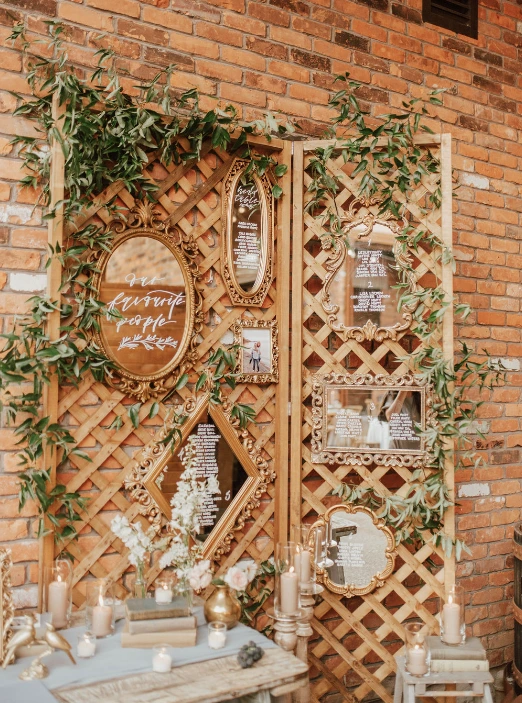
Another consideration when planning your seating arrangements is how your guests will find their seats. Escort cards offer flexibility and movement, encouraging guests to mingle as they find their place. A statement seating display feels curated and intentional, often becoming part of the décor itself. Either approach works beautifully when clarity leads the way.
Alphabetical listings reduce congestion. Clear table numbers prevent confusion. The wedding seating chart should guide guests with ease, not create a bottleneck at the entrance as the celebration begins.
Trust experience
Wedding planners, venue coordinators and catering teams have seen countless seating layouts and understand how small adjustments can make a big difference. Their insight helps avoid tight walkways, awkward spacing and timing issues that can ripple through the night, so make sure to ask for their guidance.






Leave a Reply